
Mobile Fax Pricing: A Practical Guide for U.S. Businesses
What Is Mobile Fax and Why It Matters
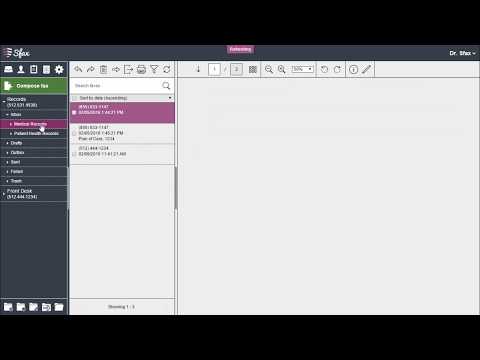
Mobile fax services let you send and receive faxes directly from a smartphone, tablet, or computer without a traditional fax machine. This flexibility is especially valuable for small and medium‑size businesses that need to stay compliant with industry regulations while reducing hardware costs. By converting paper documents into digital files, mobile fax also streamlines record‑keeping and speeds up document workflows. The service typically includes a secure dashboard where users can manage incoming and outgoing faxes, track delivery status, and store archives for later reference.
Core Features and Typical Use Cases
Key features often include encrypted transmission, cloud storage, OCR (optical character recognition) for searchable archives, and integration with popular email or document‑management platforms. Common use cases range from legal firms sending signed contracts, to healthcare providers transmitting patient records, to sales teams sharing proposals with clients who still rely on fax. Understanding these capabilities helps you match a service’s feature set to your specific business needs before you evaluate pricing.
How Mobile Fax Services Charge – Common Pricing Models
Vendors typically offer three broad pricing structures: pay‑per‑page, subscription‑based, or a hybrid of both. Pay‑per‑page works like a utility bill; you pay a fixed rate for each fax sent or received, which can be cost‑effective for low‑volume users. Subscription plans usually include a set number of pages per month for a flat fee, with overage charges for excess usage. Hybrid models combine a base subscription with a lower per‑page rate for additional pages, giving flexibility for businesses with fluctuating fax traffic.
Pay‑Per‑Page vs. Subscription vs. Hybrid
Choosing the right model depends on your average monthly fax volume and how predictable that volume is. If you send fewer than 100 pages a month, a pay‑per‑page plan might save money. For organizations that regularly exchange hundreds or thousands of pages, a subscription or hybrid plan often provides better cost control and budgeting certainty. Consider also any bundled features—such as advanced security or integrations—that may be included only in higher‑tier subscriptions.
Key Factors That Influence Mobile Fax Pricing
Beyond the basic pricing model, several variables can affect the final cost of a mobile fax solution. Understanding these factors lets you compare offers on a level playing field.
- Volume of pages: Higher volumes generally unlock lower per‑page rates.
- Feature set: Advanced security, OCR, and API access may carry premium pricing.
- Compliance requirements: Services that meet HIPAA, GDPR, or other regulations often include additional safeguards.
- Integration depth: Seamless connections to CRM, ERP, or email platforms can increase subscription tiers.
- Support level: 24/7 phone support versus email‑only assistance may be priced differently.
Calculating Your Expected Costs – A Step‑by‑Step Approach
To estimate the monthly expense of a mobile fax service, start by projecting your average fax pages per month, then apply the pricing structure of your chosen vendor. Below is a simplified example table that illustrates typical tiers for a subscription‑based model.
| Plan Tier | Included Pages | Monthly Rate (USD) | Overage Cost per Page | Best For |
|---|---|---|---|---|
| Starter | 200 | $19.99 | $0.12 | Freelancers & small offices |
| Professional | 1,000 | $69.99 | $0.08 | Legal & healthcare practices |
| Enterprise | 5,000 | $199.99 | $0.05 | Large corporations with high volume |
Calculate your expected monthly spend by multiplying your projected pages beyond the included amount by the overage rate, then adding that to the base subscription fee. Adjust the numbers as needed for pay‑per‑page or hybrid options to find the most economical fit.
Choosing the Right Plan for Your Business Needs
When evaluating which mobile fax pricing plan aligns with your objectives, consider both quantitative and qualitative criteria. Below are common scenarios and the plan type that typically works best.
- Occasional faxing (under 150 pages per month): Pay‑per‑page or a low‑tier subscription.
- Regulated industry requiring encryption and audit trails: Subscription with built‑in compliance features.
- Rapidly growing startup with seasonal spikes: Hybrid plan that combines a modest base fee with low overage rates.
- Enterprise with global offices and API integration needs: Enterprise tier offering dedicated support and advanced integration capabilities.
Match the plan to your business goals, such as reducing operational overhead, ensuring security, or enabling workflow automation. Remember that the “best for” label often reflects a balance of price, features, and scalability.
Integration, Setup, and Ongoing Support Considerations
A smooth onboarding experience can significantly affect the ROI of a mobile fax solution. Look for services that provide a guided setup wizard, clear documentation for API integration, and a user‑friendly dashboard that lets you monitor usage and manage contacts.
Security and reliability are non‑negotiable for most U.S. businesses. Verify that the provider uses TLS encryption for transmission, stores faxes in secure data centers, and offers redundancy to guarantee high availability. In terms of support, assess whether the vendor offers live chat, phone assistance, or a knowledge base, and whether service‑level agreements (SLAs) meet your expectations.
Frequently Asked Questions About Mobile Fax Pricing
Do I need a separate fax number for each employee?
Most providers allow you to allocate multiple extensions or virtual numbers under a single account, which can be managed from the same dashboard. This reduces costs compared to purchasing individual numbers from a telecom carrier.
Can I switch between pricing models if my needs change?
Flexible vendors often let you upgrade or downgrade plans with minimal disruption. Review the contract terms to ensure there are no early‑termination penalties before committing.
Is there a hidden cost for international faxing?
International faxes usually incur higher per‑page rates, and some providers may charge a separate outbound surcharge. Always confirm the rates for the countries you need to reach.
Understanding mobile fax pricing helps you select a solution that fits your workflow, budget, and compliance requirements. By evaluating pricing models, key cost drivers, and integration capabilities, you can make an informed decision and avoid surprise fees. For more information about related communication solutions, visit https://aerospace-vision.com/.